

What happens when you have the right medicine, know how to take it, but can't get to the doctor when you need to?
We usually think of medication adherence as taking your tablets on time and following the doctor's instructions. But it is more than that, especially for patients who need regular medical care. There may be follow-up visits, blood tests, prescription refills, or dosage changes. All these things are connected to the treatment in some way. Consider an older patient who has just started a new blood pressure medicine. The doctor asks her to return in two weeks. She is taking the medicine properly, but she does not drive. Her daughter usually takes her to appointments, but this time she has work and cannot take leave.
The patient may think, "I will go next week."
And maybe she does. Or maybe another appointment gets pushed back too.
That is where transportation can become part of the medication adherence problem. The patient may not be refusing treatment or forgetting the medicine. She may just be unable to get to the place where the treatment is being monitored.
This can happen in many situations. A patient going for dialysis may have to travel several times a week. Someone receiving chemotherapy has repeated hospital visits. A person going for physical therapy, or even a routine blood test, can become difficult when the patient does not drive or has trouble walking.
And family cannot always be the solution. A son may live nearby but work during the day. A daughter may already be managing children and other responsibilities. A neighbor who helped once may not be available every time.
Public transportation is another option. But does it work well for seniors? Or someone with limited mobility? Walking to the bus stop, waiting, changing buses, and getting back home can turn a simple appointment into a tiring trip. So the appointment gets delayed. Then the test gets delayed. The prescription may have to wait too.
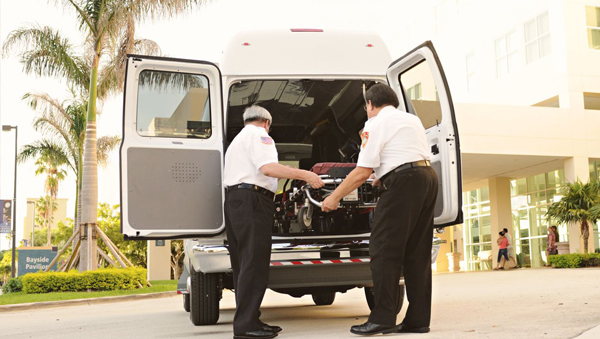
This is one area where non-emergency medical transportation can help. NEMT gives patients a way to arrange transportation for scheduled medical trips. It can cover doctor appointments, treatments, tests, and other healthcare visits. The main point is fairly simple: the patient has a way to get there without depending entirely on whether a family member happens to be free that day.
Of course, transportation does not solve every medication adherence problem. It cannot make someone remember every dose or remove medication side effects. But if getting to the doctor is one of the barriers, removing that problem can help. Sometimes, staying on a treatment plan is not only about the medicine sitting at home. It is also about being able to keep going back for the care that comes with it. For patients and families in the Houston area, Safe Care Medical Transportation provides non-emergency medical transportation across the Houston Metro region.